Transition Studio is expanding.
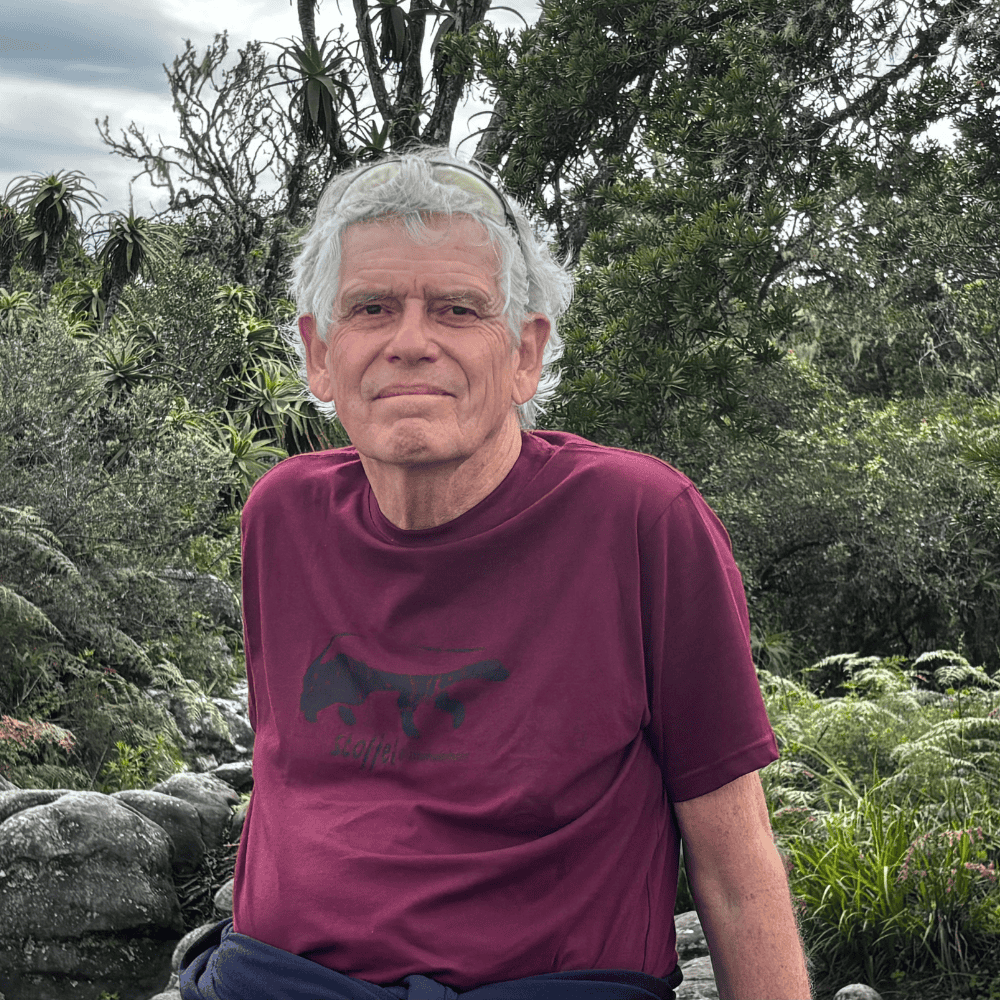
What do I want to become when I grow up? I still ask myself this question from time to time, even now at seventy. As a child, I wanted to be a farmer in the summer and an oilman in the winter. Why? Because of the smell. The smell of freshly cut grass, which still makes me happy. The smell of a barn with cow bodies and manure. The smell of petroleum, which I loved as a child because it smelled like adventure. And when I was a teacher, I knew that children sometimes based their choice of school on how the school smelled.
Around forty, I wanted to become a doctor, but I couldn’t face another seven years of study.
Around fifty, I wanted to start farming insects for protein consumption, but when I found out someone else was already doing it, I lost interest.
Around sixty, and still now, I would like to start a construction company. Directing construction projects (I’ve done about six so far) still excites me, and it’s something I’m good at.
So I’m thrilled and excited that today marks the beginning of the expansion work at The Three Ashtrees (De Drie Essen), the home base of Transitionstudio. The construction plans are on the table. The team is assembled. Where you now see that little crane, there will soon be a beautiful, bright space with a wood stove, leading out to a terrace and garden.
It’s a joy to be able to welcome you there. Legally, we might own this land, but systemically, you and your loved ones are the owners. And, of course, the evolutionary force that continuously guides us into new developments and adventures.
~ Jan Jacob Stam